

 au
au

This Christmas season we are throwing it back to a 2019 study with an unusual angle: how sharing Christmas dinner with in-laws may affect the gut microbiota. This literature review highlights the ever-growing evidence of the impact of social interactions on the microbial composition on the gut.
After decades of research, there is now an established link between the gastrointestinal tract and the central nervous system called the gut-brain axis, which refers to the bidirectional communication between the gut and brain; this communicative link lends itself to maintaining homeostasis of bodily functions, but extraneous factors such as stress have been shown to impact the microbial composition of gut [1]. Studies have shown that a high frequency of bacterial transcriptomes is associated with low depression and anxiety symptoms and bacterial transcriptomes have a fundamental role in maintaining a healthy balanced gut microbiota and sustaining gut barrier integrity [1].
For most families, Christmas is a time of socialising, and this includes with extended family members – including in-laws. Whilst for some this is an enjoyable experience, for some it can be an anxious time, and it has been known to affect physical and mental health, with a previous study showing that women who resided in a multi-generational family household (which included their in-laws) had an increased rate of coronary heart disease [2]. In 2019, de Clercq et al. conducted an observational study investigating the effect of visiting in-laws on Christmas on the composition of the gut microbiota. Recognising that gut microbiota composition is affected by a wide range of variables, they attempted to control these external factors, including choosing a slim cohort aged between 20 and 40, identifying whether they had different diets, so for example if they were vegetarian/vegan and their ethnic background, by using those from Caucasian decent only. They also used a multivariate statistical model to differentiate between participants who visited their own family versus their in-laws. Faecal samples of 28 participants were analysed for their alpha-diversity and microbial structure and those who visited their in-laws has a significant change in faecal microbiota alpha-diversity, having a significant decrease in the anaerobic family Ruminococcaceae [3]. Ruminococcaceae is a bacterial family which since 2019 has been renamed and is now called Oscillospiraceae following recent nomenclature, though research predating this change can be referred to as Ruminococcaceae [4]. In this study, the most diverse outcome was observed for the genus Rumminococcaceae_UCG-009; interestingly, reduced presence of Ruminococcaceae genes has been observed in humans with depressive disorders. It can be suggested that due to the stressful nature of visiting in-laws, there has been a reduction in Ruminococcaceae in the gut. Understandably, the researchers noted that to establish ‘visiting in-laws’ as a factor impacting the gut microbiota, a larger randomised controlled study would be needed [3].
Ultimately, this study demonstrated a difference in the gut microbial profile of those who visited their in-laws compared to those who visited their own as well as their in-laws. Though light-hearted in premise, these findings highlight the importance of social interaction and environmental factors on the gut microbiota and how emotional dynamics play a role.
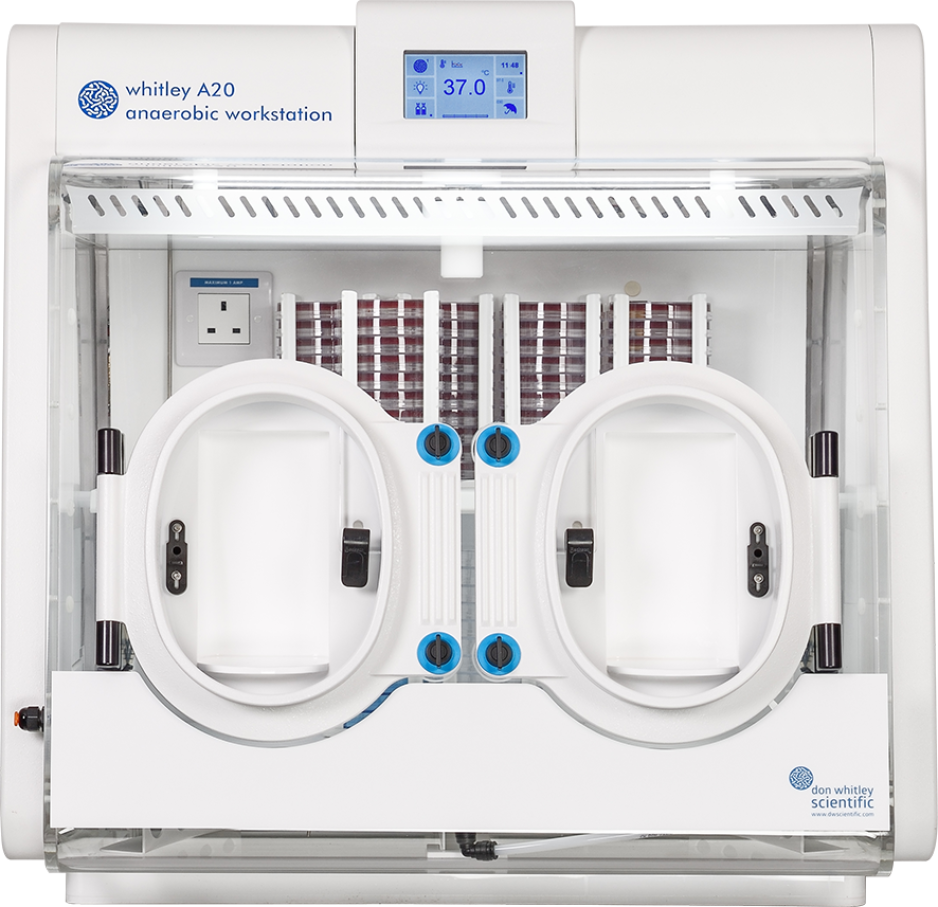
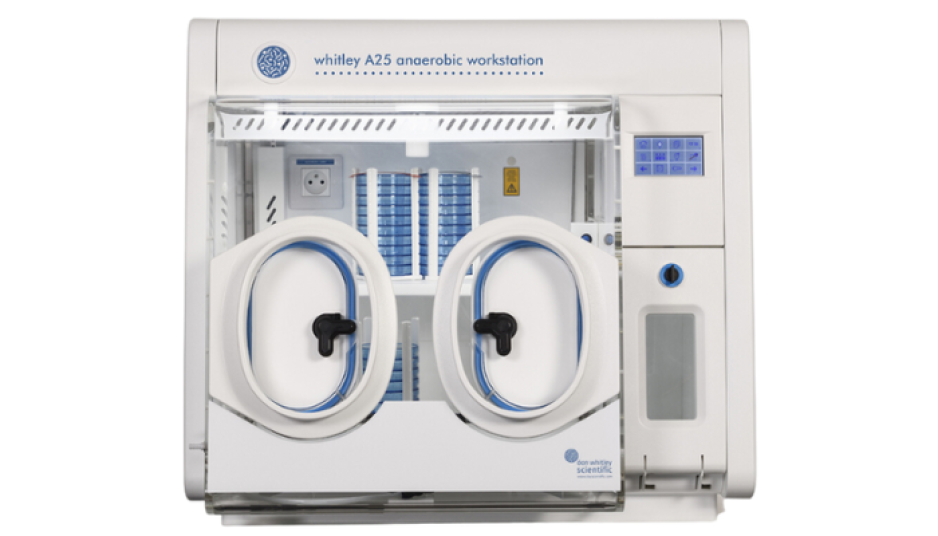
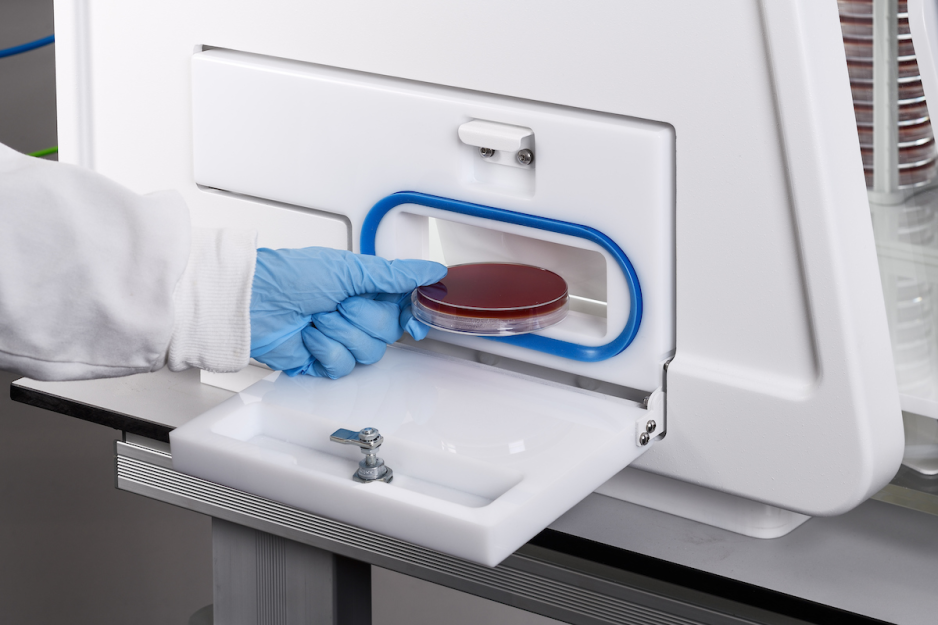
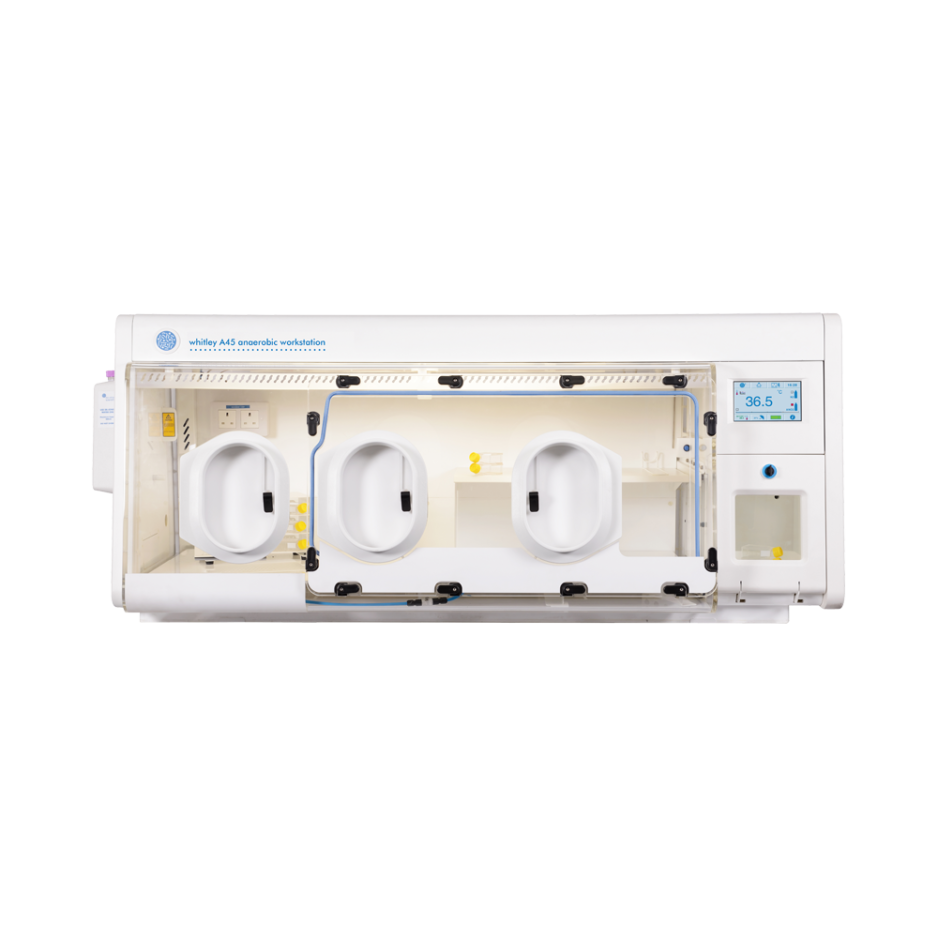
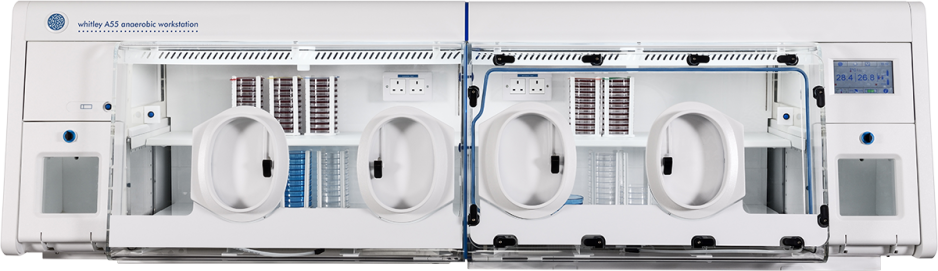
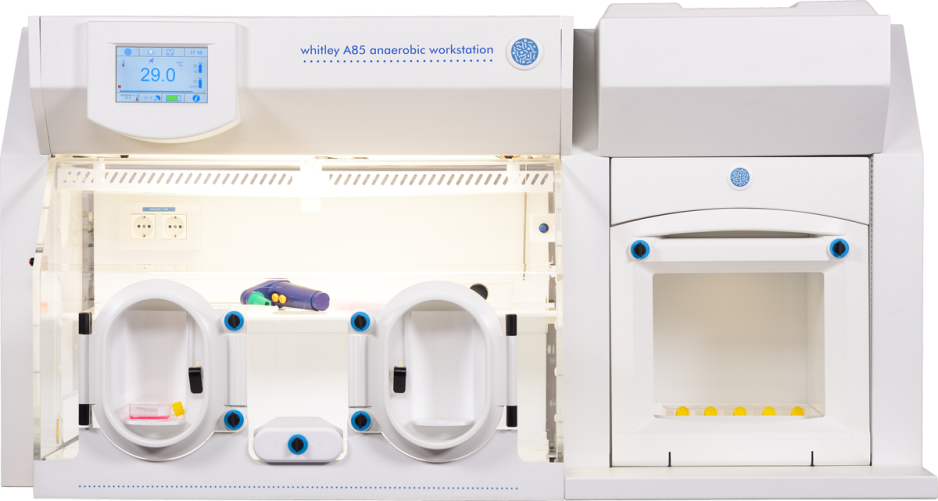
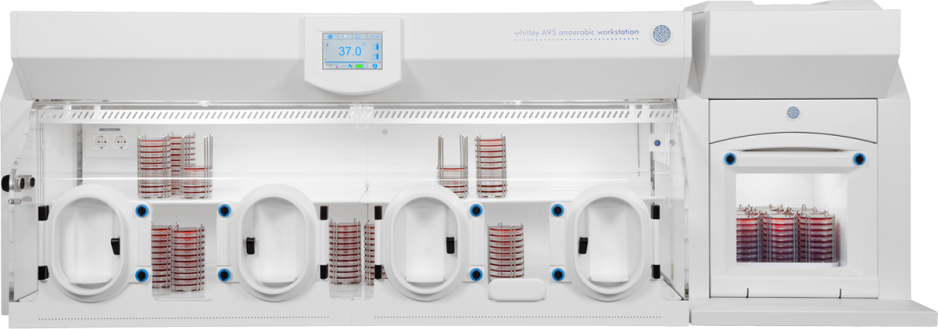
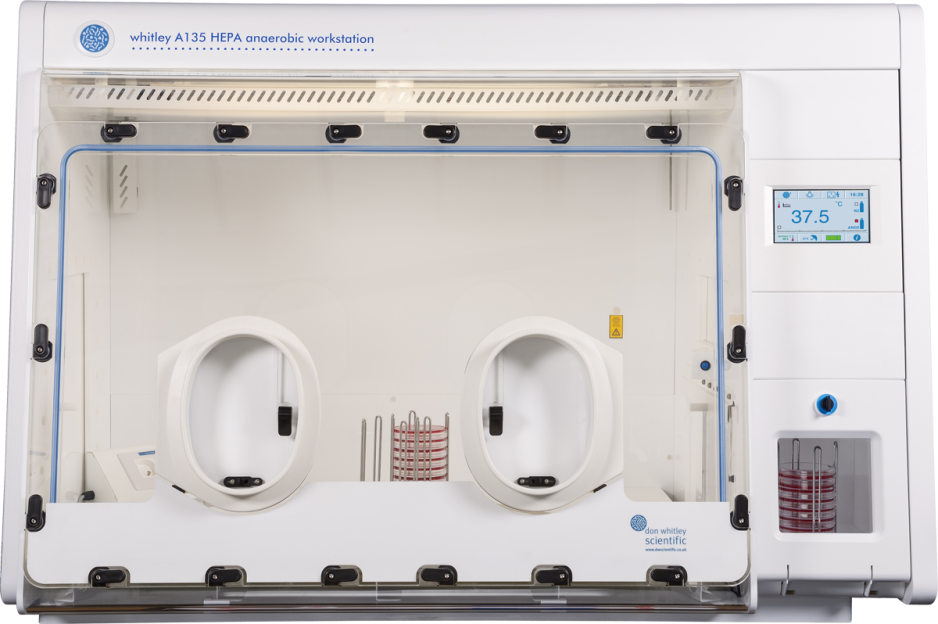
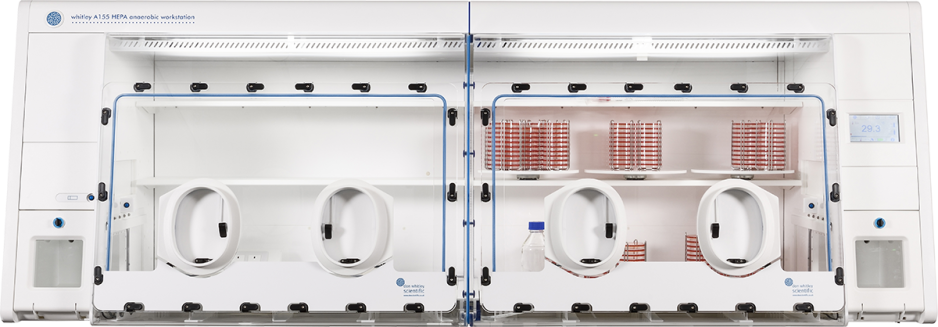
Handling faecal samples and looking to isolate anaerobic bacteria? Talk to our sales team today to arrange a demonstration and find an anaerobic solution that fits your needs.
References
- Delgadillo DR, An E, Yang J, Agarwal R, Labus JS, Pawar S, et al. 323 STRESS-RESILIENCE IMPACTS PSYCHOLOGICAL WELLBEING: EVIDENCE FROM BRAIN-GUT MICROBIOME INTERACTIONS. Gastroenterology. 2024 May 1;166(5):S-72.
- Ikeda A, Iso H, Kawachi I, Yamagishi K, Inoue M, Tsugane S. Living arrangement and coronary heart disease: the JPHC study. Heart. 2008 Dec 18;95(7):577–83.
- de Clercq NC, Frissen MN, Levin E, Davids M, Hartman J, Prodan A, et al. The effect of having Christmas dinner with in-laws on gut microbiota composition. Human Microbiome Journal [Internet]. 2019 Aug;13:100058. Available from: https://www.sciencedirect.com/science/article/pii/S2452231719300090
- Family: Ruminococcaceae [Internet]. Dsmz.de. 2024 [cited 2025 Dec 10]. Available from: https://lpsn.dsmz.de/family/Ruminococcaceae



 England