

 au
au
Prevention and early detection are vital in cervical cancer research, as almost all cases are linked to persistent infection with high-risk human papillomavirus (hr-HPV). Through effective HPV vaccination and regular screening, nearly 100% of HPV-related lesions could be prevented [1]. Despite these advances, screening participation remains a significant challenge. Globally, an estimated 2 in 3 women aged 30–49 have never been screened for cervical cancer [2]. As researchers explore new ways to improve access, HPV self-collection is emerging as a promising approach to reach women currently being missed by traditional screening methods, with NHS England recently announcing that over 4 million women in the UK will receive home-testing kits in the next year to help close the screening gap [3].
What are the barriers preventing women from attending cervical screening?
A study by Bang et al. found that reasons for non-participation in cervical screening are varied and complex, including concerns about speculum examinations, inconvenient appointments, fear of pain or discomfort, embarrassment, cultural considerations and previous sexual trauma [4]. By allowing women to collect a sample privately at a time and place that suits them, self-collection could help to address some of these reported obstacles.
Can HPV self-collection improve cervical cancer screening participation?
To investigate whether HPV self-collection could improve participation in cervical screening, Hempel et al. compared three self-sampling tools (Evalyn-Brush, Self-Collection FLOQSwabs and Colli-Pee) among 19,995 women aged 30–65 in Hannover, Germany, who were overdue for screening. The study found that all three devices were highly effective for obtaining samples suitable for HPV testing, with sample validity exceeding 98%. Return rates were higher for Colli-Pee and Self-Collection FLOQSwabs than Evalyn-Brush, with FLOQSwabs demonstrating particularly strong uptake among under-screened women. Overall, 145 previously undetected high-risk HPV infections were identified, with HPV positivity ranging from 6.8% to 8.6% depending on the device used [5].
The accompanying questionnaire also demonstrated high acceptability, with 66.7% of participants preferring self-collection over clinician-led cervical screening. Reported advantages included avoiding the speculum examination, increased privacy, reduced embarrassment, improved comfort, and greater social and cultural acceptability [5]. Together, these findings suggest that user-friendly self-collection approaches could help overcome some of the barriers preventing women from accessing cervical screening.
What does the wider research say about HPV self-sampling?
In the Netherlands, the introduction of HPV self-sampling contributed to an increase in screening participation, rising from 7% in 2017–2018 to 16% in 2020 [6]. Furthermore, a global meta-analysis of 154 HPV self-sampling studies involving more than 480,000 women found that offering self-collection nearly doubled the likelihood of women participating in cervical screening [7]. Beyond improving uptake, continued research has also strengthened confidence in the clinical reliability of self-collected samples. Hawkes et al.’s VALHUDES protocol study, including the SCoPE2 sub-study, demonstrated that vaginal self-collected samples performed comparably to clinician-collected cervical samples for detecting high-grade cervical disease [8]. Together, these findings highlight how research is helping to address both sides of the screening challenge: developing accurate testing approaches while making screening more accessible and acceptable.
How could HPV self-collection support the future of cervical cancer prevention?
These studies demonstrate how research can improve cancer prevention beyond developing new treatments. By combining reliable HPV testing with user-friendly self-collection methods, researchers are identifying new ways to increase screening participation and support earlier detection. The World Health Organisation recognises HPV self-sampling as an additional option for improving cervical cancer screening coverage, particularly where it can help make screening more acceptable and accessible to women [9]. As evidence continues to grow, HPV self-collection could become an increasingly important component of national cervical screening programmes and contribute towards the global goal of eliminating cervical cancer as a public health concern.
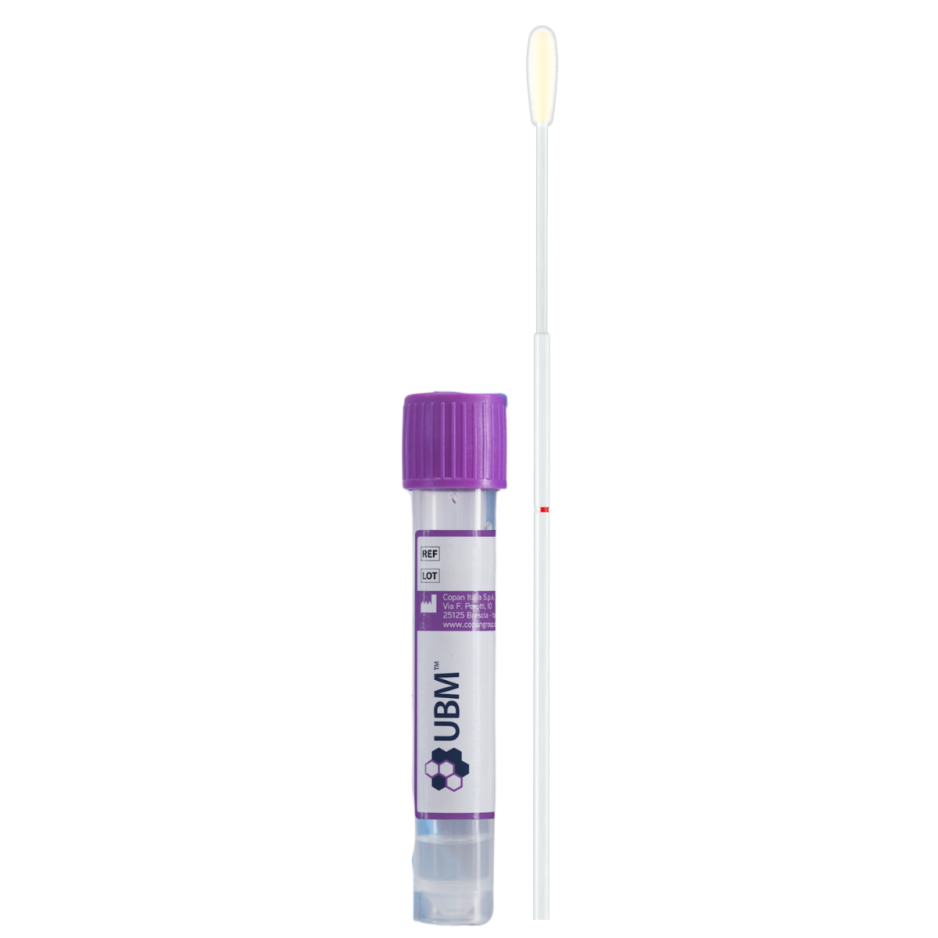
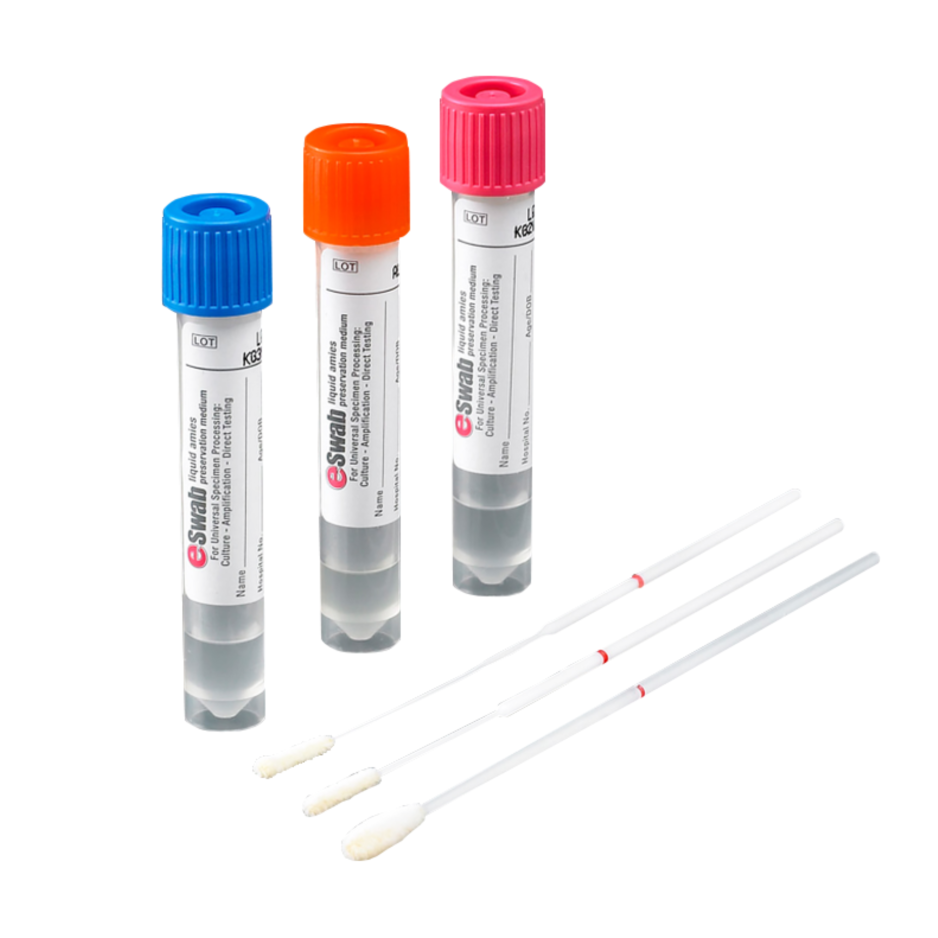
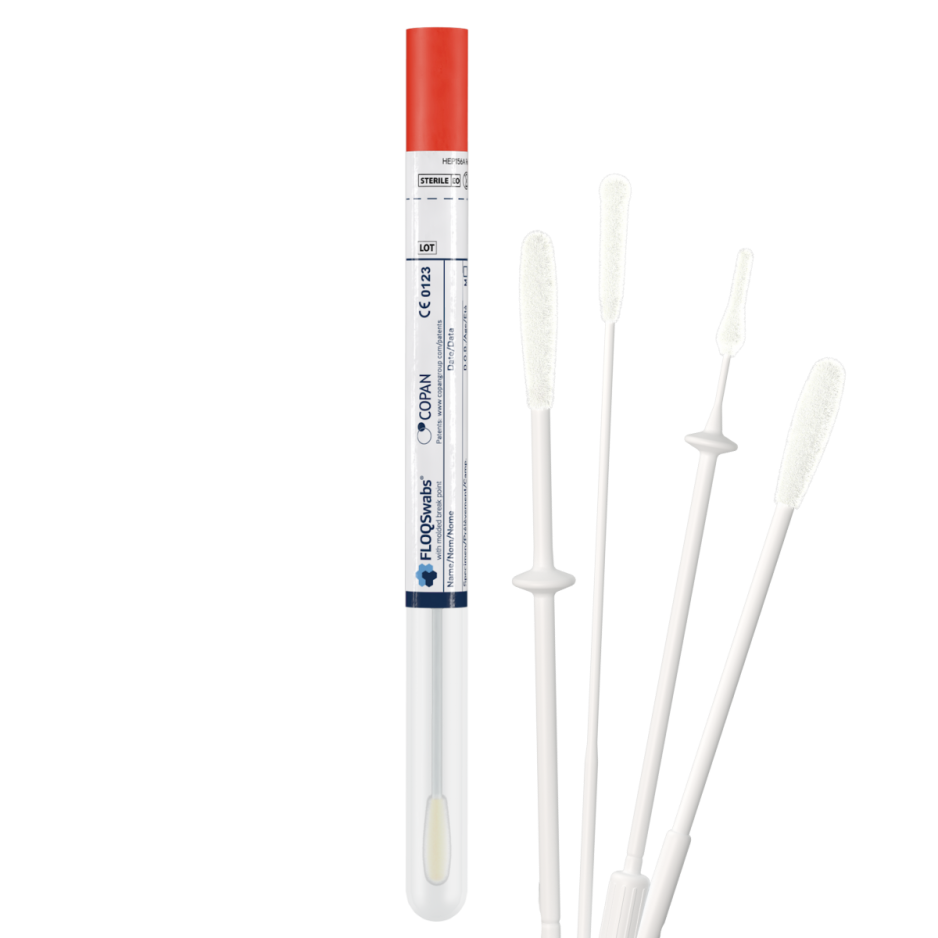
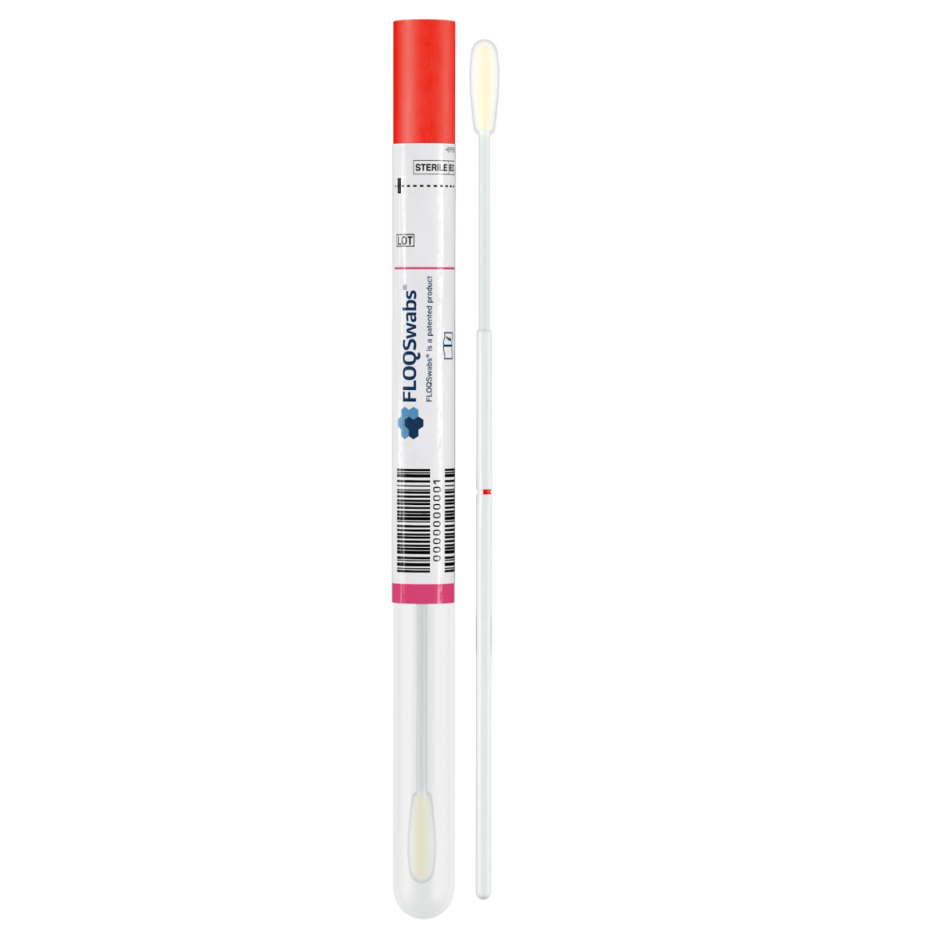
For more information on how Copan’s Self-Collection FLOQSwab range can aid your sample collection, head over to our website, or chat with a member of our team by emailing sales@dwscientific.co.uk or calling +44 (0) 1274 595728.
References:
- Sechi, I, Muresu, N, Puci, MV, et al. Preliminary results of feasibility and acceptability of self-collection for cervical screening in Italian women. Pathogens. 2023 Sep;12(9).
- World Health Organisation. Global strategy to accelerate the elimination of cervical cancer as a public health problem. [Online]. Geneva: World Health Organisation; [Accessed 4 August 2026]. Available from: https://www.who.int/publications/i/item/9789240014107
- NHS England. NHS rolls out discreet home-testing kits against cervical cancer for millions of women. [Online]. London: NHS England; [Accessed 25 August 2026]. Available from: https://www.england.nhs.uk/2026/08/nhs-rolls-out-discreet-home-testing-kits-against-cervical-cancer-for-millions-of-women/
- Bang J Y, Yadegarfar, G, Soljak, M, et al. Primary care factors associated with cervical cancer screening coverage in England. Public Health Oxford. 2012;34(4).
- Hempel, S, Groß, S, Steinkasserer, L, et al. Comparison of three different HPV self-sampling tools – a subanalysis of the prospective, randomized hannover self-collection study. Arch Gynecol Obstet. 2026 Jun;313(1).
- Arbyn, M, Costa, S, Latsuzbaia, A, et al. HPV-based cervical cancer screening on self-samples in the Netherlands: challenges to reach women and test performance questions. Cancer Epidemiol Biomarkers. 2023;32(2).
- Di Gennaro, G, Licata, F, Trovato, A, et al. Does self-sampling for human papilloma virus testing have the potential to increase cervical cancer screening? An updated meta-analysis of observational studies and randomised clinical trials. Front Public Health. 2022;8(10).
- Hawkes, D, Gurung, D, Pineda, E, et al. Clinical validation of the Roche cobas and cobas 4800 human papillomavirus tests on self-collected vaginal dry swabs versus practitioner-collected cervical specimens using the VALHUDES protocol. The Journal of Molecular Diagnosis. 2026 Jun.
- World Health Organisation. Self-care interventions: human papillomavirus (HPV) self-sampling as part of cervical cancer screening and treatment, 2022 update. [Online]. Geneva: World Health Organisation; Accessed 10 August 2026]. Available from: https://www.who.int/publications/i/item/WHO-SRH-23.1



 England