

 au
au
With the first day of Spring finally just ahead of us (a long time coming for us here in the UK!), it’s the perfect time for a seasonal reset – we’re talking clearing out ‘that’ drawer in the kitchen, getting rid of those spices that have been sitting in your cupboard since pre-lockdown, and restocking your snack drawer in the office.
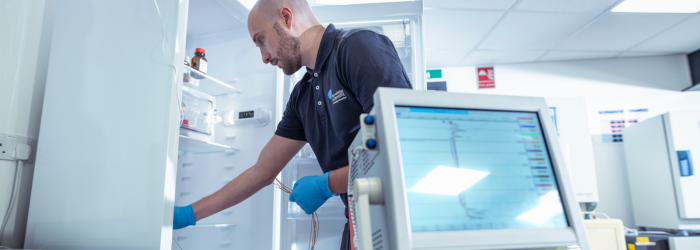
While many of us focus on freshening up our homes this time of year, our labs deserve just as much attention. Regular maintenance and servicing of lab equipment isn’t just a routine tidy-up; it brings real benefits, from reducing downtime and protecting samples to ensuring safety and compliance. In this piece, we’ll explore how prioritising lab maintenance can keep experiments running smoothly and reliably all year long.
1. Reduced Downtime
Unexpected equipment failures can cause major disruptions to experiments, stalling progress and disrupting research schedules. These interruptions don’t just delay research outcomes; they can also harm your lab’s reputation, particularly if external partners rely on timely results. Preventative maintenance helps minimise this risk, keeping equipment performing optimally, clearing away the clutter of unexpected interruptions, and supporting the efficient delivery of research data.
2. Consistent Performance and Reliable Results
Many labs, especially those using modified atmosphere workstations, depend on stable environmental conditions to produce reliable results. For example, if a microbiologist relies on a Whitley Workstation to maintain precise oxygen, carbon dioxide, and humidity levels, even a minor equipment failure could compromise samples and invalidate results. This not only extends research timelines but also increases costs due to repeat work. Regular maintenance (including calibration) gives your equipment a fresh reset, ensuring consistent, accurate, reproducible data every time.
3. Cost Savings and Equipment Longevity
While it might seem cost-effective to ignore minor issues in lab equipment (for example, skipping a service call-out or postponing maintenance), these small problems can quickly escalate into expensive repairs or even full replacement. Routine upkeep not only prevents these larger one-off costs but also extends the lifespan of existing instruments. Taking this preventative approach helps labs achieve sustainable, long-term savings instead of relying on reactive ‘quick fixes.’
To make this approach even more effective, Don Whitley Scientific (DWS) offers tailored service packages designed around your specific equipment and needs. Delivered by our in-house engineers with direct access to genuine parts, our bespoke contracts can include scheduled visits, UKAS calibration, emergency cover, and more, all helping to minimise unexpected costs.
4. Safety and Compliance
In today’s increasingly regulated environment, demonstrating ongoing compliance with quality and safety standards is more important than ever. Faulty or poorly maintained equipment can pose serious risks, from contamination to compromised sample integrity. Investing in regular maintenance (including temperature mapping for anaerobic workstations and UKAS calibration and validation) minimises the risk of non-compliance and ensures your lab is prepared for audits and quality checks, so you’re set for the year ahead.
5. Workflow Efficiency
By prioritising regular servicing of lab equipment, staff can work with confidence and focus on their expertise, rather than troubleshooting preventable errors. This ensures automated systems run at peak performance, making workflows more efficient and allowing scientists to dedicate their time to the work that really matters. Confidence in reliable equipment not only boosts productivity but also creates a less stressful, more focused lab environment for employees.
Is Your Lab Ready For a Spring Clean?
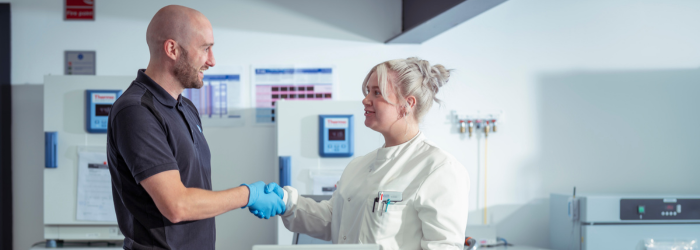
Our DWS service and maintenance team offer bespoke packages for a wide range of instruments, from workstations and spiral platers to autoclaves, gravimetric diluters, and media preparators. Our UKAS-accredited, in-house engineers will ensure your equipment runs reliably, efficiently, and with minimal interruptions, proving that a regular ‘spring clean’ for your lab can deliver long-lasting results. Find out more.




 England